
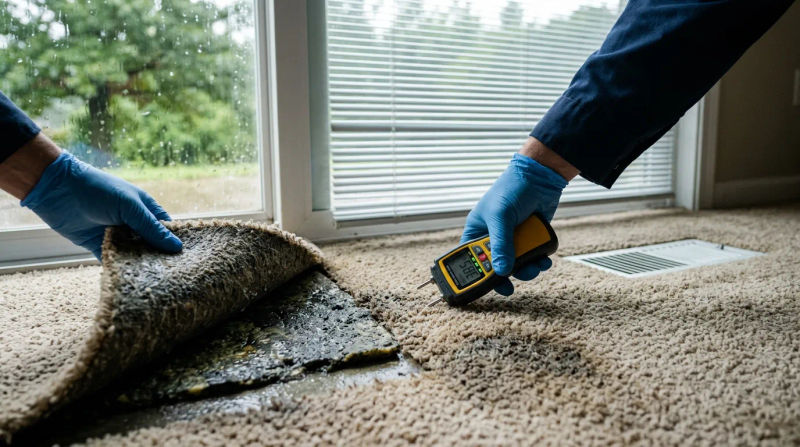
You walk into your living room the morning after a heavy September downpour and there it is: a damp, earthy odor that seems to have settled deep into the fibers of your home. It’s a smell that’s hard to ignore and even harder to get rid of with a simple air freshener. That musty carpet smell is a common complaint we hear from homeowners, especially during the humid late summer and early fall here in Central Arkansas. As the seasons change and we close our windows to run the HVAC, that smell can become even more concentrated, signaling a deeper issue than just a little tracked-in rain.
As a Senior Building Services Specialist with over 15 years of hands-on experience in property maintenance across the region, I've seen firsthand how quickly a little moisture can lead to a big problem. Understanding the signs and causes is the first step toward restoring the freshness and health of your home's environment.
Common Signs and Symptoms
The most obvious symptom is, of course, the smell itself - an odor often described as smelling like dirt, old socks, or a damp basement. But other clues can help you diagnose the extent of the problem. A thorough walk-through of your home can reveal a lot.
Our trained crews are taught to look for a specific set of indicators during an initial assessment:
- A Persistent Odor: The musty carpet smell doesn't fade as the day goes on. In fact, it may seem to intensify on particularly humid days or right after a rainstorm, even if no new water has entered the home.
- A Tacky or Damp Feeling: Even if the carpet appears dry, it might feel slightly sticky or clammy underfoot. This is a sign of high moisture content within the carpet fibers and the underlying padding.
- Visible Discoloration: Check along baseboards, in corners, and under furniture for any dark, shadowy stains or splotches. These can be signs of mildew or mold beginning to take hold on the surface.
- Slow Drying Times: If you spill a small amount of water and it seems to take an unusually long time to dry, it’s a red flag. This indicates the surrounding carpet and air are already saturated with moisture.
- Increased Allergy Symptoms: Are you or your family members sneezing, coughing, or experiencing itchy eyes more often when at home? Mold and mildew release spores into the air that are common allergens. An increase in symptoms can be directly linked to poor indoor air quality caused by a damp carpet.
What Causes This Problem
To effectively remove damp carpet odor after rain, it's crucial to understand the root cause. The smell itself is a byproduct of mold and mildew growth, and these fungi only need three things to thrive: a food source (dirt, dust, and carpet fibers), a comfortable temperature, and moisture. In our homes, the first two are always present. Therefore, moisture is the key variable we need to control.
Here’s a breakdown of why carpet smells musty in humid weather and after rain:
- High Ambient Humidity: The climate in North Little Rock, AR, is hot and humid for much of the year. Carpets are hygroscopic, meaning they naturally absorb moisture from the air. When indoor humidity levels are high, your carpet and its thick padding act like a sponge, absorbing and holding onto that water vapor. This creates the perfect breeding ground for mildew.
- Water Intrusion During Storms: September can bring heavy rainfall, a lingering effect of the late hurricane season. This water can find its way inside through various paths. Common entry points include leaks around window frames, under door sills, or through small cracks in the foundation. Once water gets under the carpet and into the padding, it becomes trapped.
- The Problem with Padding: The carpet pad is the real culprit in most cases. This dense foam or fiber layer can hold a tremendous amount of water. While the surface of your carpet might feel dry to the touch, the padding beneath can remain saturated for days or even weeks. Without professional extraction, this trapped moisture will inevitably lead to mold, mildew, and that persistent musty odor.
- Foundation and Crawl Space Issues: In some of Arkansas's older, historic homes, such as the beautiful pre-1940s properties you might find in established neighborhoods, moisture can be a chronic issue. Older foundations made of stone or brick can be more porous, and dirt-floor crawl spaces can release significant moisture vapor that rises through the subfloor and gets trapped by the carpet and pad above.
- Organic Material as a Food Source: Carpets trap dirt, skin cells, pet dander, and microscopic food particles. When moisture is introduced, this collection of organic matter becomes an all-you-can-eat buffet for mold and bacteria, accelerating their growth and amplifying the resulting odor.
When to Call a Professional
Many homeowners first try to tackle a musty smell with DIY solutions like baking soda or store-bought carpet powders. While these might offer temporary relief for a very minor issue, they don't address the root cause: moisture trapped in the padding.
Knowing when to escalate the issue to an experienced professional is key to preventing further damage and protecting your family's health. Here are the scenarios where a professional call is necessary:
- The Odor Persists: If you’ve aired out the room, run dehumidifiers, and the smell still comes back, the problem is too deep for surface treatments. It’s a clear sign the padding is affected.
- You've Had a Water Leak: Any time you have a known water intrusion event - whether from a plumbing leak, appliance failure, or storm-related seepage - it's critical to have the area professionally dried and cleaned. Rental machines simply don't have the suction power to pull water from saturated padding.
- The Smell is Widespread: An odor contained to a small, 1-foot-by-1-foot area might be manageable. But if the musty smell is present throughout a room or multiple rooms, it indicates a systemic moisture problem that requires a comprehensive solution.
- Visible Mold is Present: Do not attempt to clean significant mold growth yourself. Disturbing it can release a massive amount of spores into your home's air. Professionals have the proper containment procedures and antimicrobial treatments to handle it safely.
Our technicians utilize standardized processes and commercial-grade hot water extraction equipment. This technology is far superior to consumer-grade machines, as it heats water to an optimal temperature and uses powerful, truck-mounted vacuums to pull out nearly all the moisture, along with the deep-seated dirt, allergens, and mold spores. This is the only truly effective method for deep carpet cleaning in North Little Rock AR and ensuring the padding is addressed.
Conclusion
A musty carpet smell is more than just an unpleasant nuisance; it's a clear warning sign from your home that excess moisture is present and creating an unhealthy environment. This is especially true in our humid Arkansas climate, where carpets can quickly become reservoirs for moisture, mold, and allergens. By recognizing the key signs - a persistent odor, a clammy feel, and increased allergies - you can understand the seriousness of the issue.
Waiting and hoping the smell will go away on its own often leads to more significant problems, including damage to your subfloor and deteriorating indoor air quality. Acting early is the most effective way to protect your investment and your family's well-being.
If you notice any of these signs, contact a local cleaning professional for an inspection. An expert assessment can determine the source of the moisture and recommend the most effective course of action to restore your home to a clean, healthy, and fresh-smelling state.